
For apparel brands, wholesalers, and importers sourcing products from overseas, understanding how to evaluate sweater quality is one of the most important skills. With different yarn options, gauge settings, stitch structures, and finishing techniques, sweater quality can vary greatly between factories — even when the design looks similar.
As a professional sweater manufacturer producing women’s, men’s, and children’s knitwear and accessories, we often help buyers understand which technical factors determine durability, comfort, appearance, and final cost. This guide breaks down the key elements: gauge, yarn, stitches, craftsmanship, and testing standards, helping you make informed sourcing decisions and choose a reliable knitwear supplier.
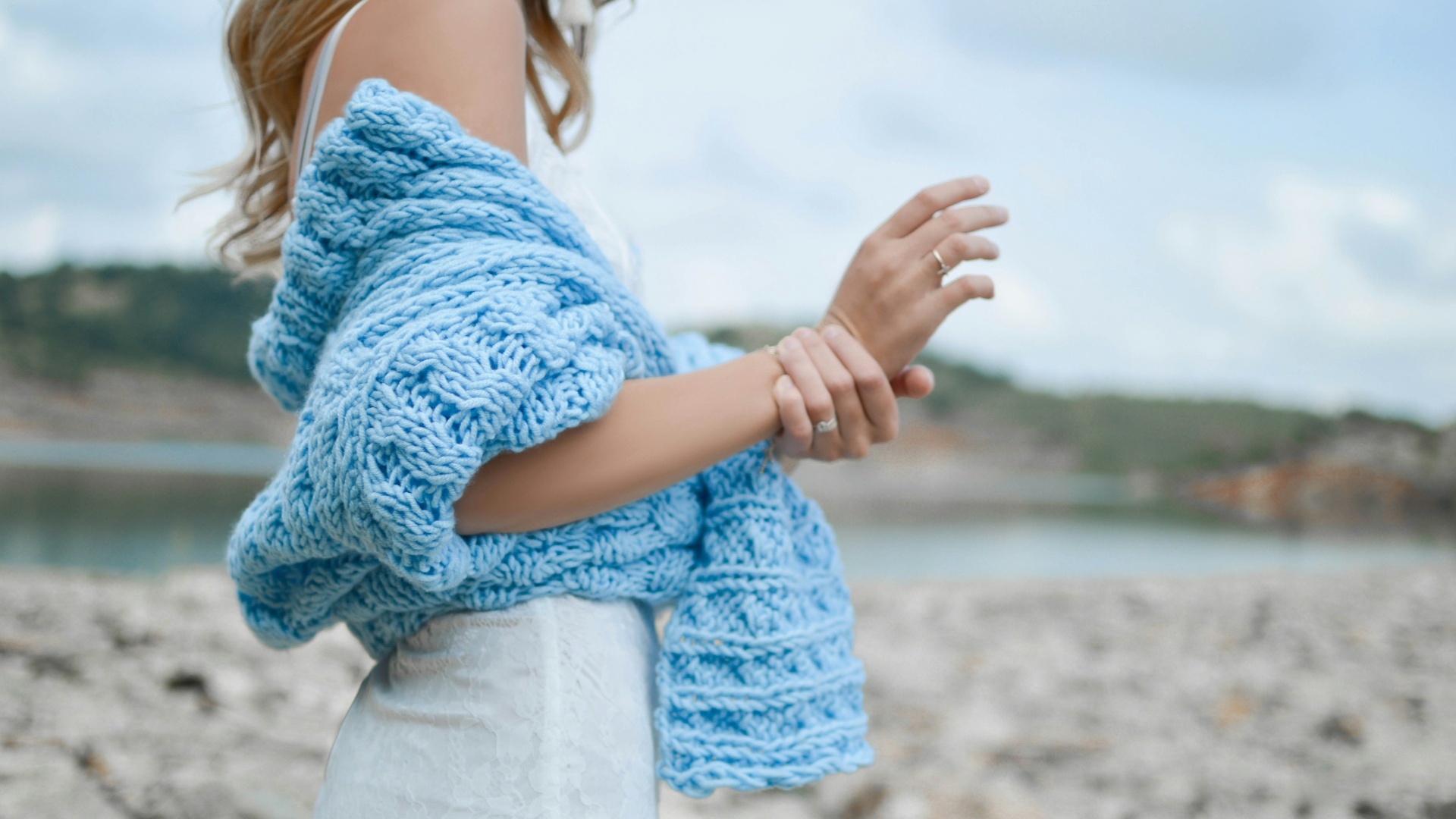
Gauge: The Foundation of Sweater Appearance & Density
Gauge (GG) refers to the number of needles per inch on a knitting machine.
It directly affects:
Fabric density
Warmth level
Surface texture
Cost
Weight
Style flexibility
Common Gauge Ranges and Their Uses
Gauge Features Best For
3GG–5GG Thick, heavy, chunky texture Winter sweaters, cable knits
7GG Medium thickness, visible texture Men’s sweaters, cardigan jackets
12GG Lightweight, smooth Women’s daily wear, fine knit tops
14GG Very fine, soft, elegant High-end fashion, premium knitwear
Key takeaway:
Higher gauge = finer and lighter
Lower gauge = thicker and warmer
Yarn: The Most Important Element of Sweater Quality
Yarn determines comfort, performance, durability, hand-feel, and price.
A professional OEM/ODM sweater factory evaluates yarn carefully for every project.
Popular Yarn Types Used in High-Quality Sweaters
1) Wool & Merino Wool
Warm, breathable, luxurious
Great elasticity
Higher cost but premium quality
Best for: winter sweaters, luxury collections
2) Cashmere & Cashmere Blends
Ultra-soft, lightweight, high value
Requires skilled craftsmanship
Best for: high-end brands
3) Cotton
Soft, skin-friendly, breathable
Best for: spring/summer knitwear
4) Acrylic
Affordable, lightweight, colorfast
Best for: mass market sweaters
5) Recycled Yarn (GRS)
Eco-friendly option growing rapidly
Great for brands focusing on sustainability
Stitches & Knitting Structures: What Buyers Should Check
Different stitches influence both appearance and performance.
1) Jersey Stitch
Smooth, flat, lightweight
Common in fine gauge womenswear
2) Rib Stitch
Stretchy, form-fitting
Used in cuffs, collars, waistbands
3) Cable Knitting
Thick texture, visually appealing
Usually made in 3–7 gauge sweaters
4) Jacquard & Intarsia
Multi-color patterns
Requires precise machine settings and skilled operators
5) Fisherman & Seed Stitch
Classic, textured, premium look
Popular in fall/winter collections
Tip: More complex stitching = higher cost + longer production time, but better visual impact and brand value.
Production Craftsmanship: The True Indicator of Factory Capability
Even with good materials, poor production can ruin a sweater.
Professional craft matters.
Key Production Factors to Evaluate
1) Knitting Quality
Uniform tension
No skipped stitches
Smooth transitions
2) Linking & Seaming
Linking is one of the most technical steps.
It affects:
Comfort
Alignment
Durability
Factories using professional linking machines deliver cleaner finishes.
3) Washing & Shrinkage Control
Proper washing prevents:
Pilling
Deformation
Shrinking
Hard hand-feel
Certified factories follow strict washing standards.
4) Final Pressing & Shape Stabilization
Gives each sweater a clean, elegant silhouette.
Testing & Certification: Ensuring International-Standard Quality
A quality sweater supplier should provide global testing support.
Our factory conducts testing through SGS and INTERTEK and meets the following standards:
OEKO-TEX Standard 100 (safe materials)
BSCI (responsible production)
Other tests include:
Colorfastness
Pilling resistance
Dimensional stability
Tensile strength
Fiber composition verification
Buyers should always confirm certified materials for markets like US, UK, and EU.
How to Judge Quality in a Finished Sweater
Before approving a sample or shipment, check:
Gauge consistency
Side seam alignment
Even stitching
Soft, comfortable hand-feel
Fabric elasticity
Cuff and collar recovery
Color accuracy
No loose threads or holes
A reliable manufacturer maintains strict AQL inspections for every order.
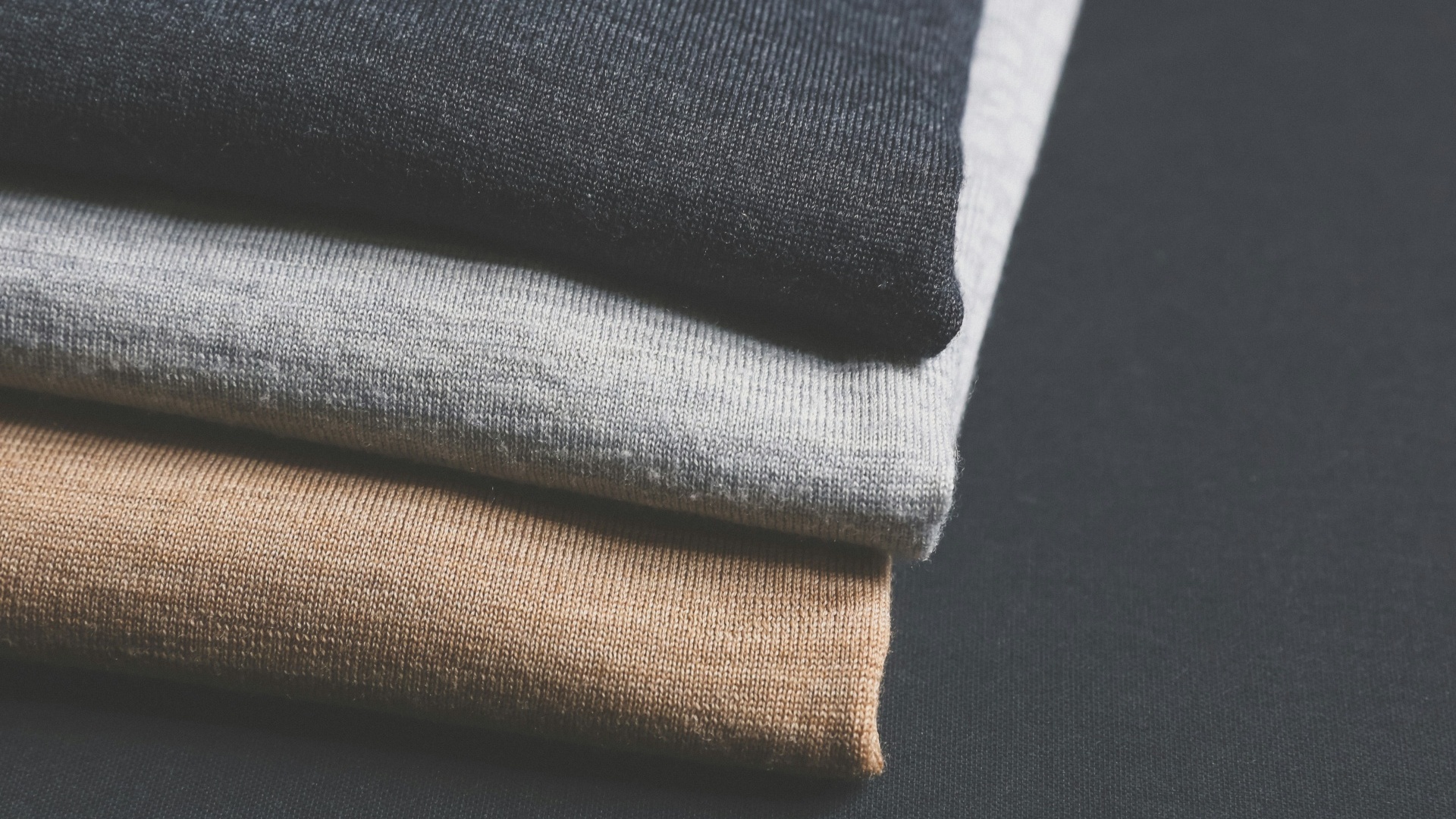
Why Working With a Professional OEM/ODM Sweater Factory Matters
Because sweater quality depends on precision and technology, partnering with an experienced knitwear manufacturer ensures:
Better yarn sourcing
Stable needle tension
Advanced knitting machines
Professional sample creation
Consistent bulk production
Strong QC team
Our factory is equipped with imported automatic knitting machines, covering 8,000+ sqm with a monthly capacity of 120,000 pieces, ensuring both speed and stability for global brands.
We produce:
Women’s sweaters
Men’s sweaters
Children’s sweaters
Hats, scarves, shawls, and accessories
With full OEM/ODM services from yarn development to final shipping.
Evaluating sweater quality goes far beyond simply looking at the design.
Gauge, yarn type, stitch structure, and production craftsmanship each play a major role in the garment's appearance, comfort, and longevity.
By understanding these technical details — and working with a certified, experienced OEM/ODM sweater manufacturer — brands can confidently develop high-quality collections that meet market expectations and stand out from competitors.
If you need support with sweater development, quality evaluation, OEM/ODM production, or private label manufacturing, our team is ready to help you build your next successful collection.


