
In today’s globalized fashion market, sourcing high-quality knitwear from Chinese manufacturers has become a common practice for many e-commerce brands, boutiques, and wholesalers. China is one of the largest producers of knitwear, including sweaters, cardigans, pullovers, and knitted accessories such as scarves, hats, and shawls. However, working with a Chinese knitwear factory can present unique challenges, especially when it comes to communication, ensuring that designs meet expectations, and maintaining quality throughout the production process. To make the most of your partnership with a Chinese knitwear supplier, it’s essential to understand key aspects like effective communication, creating detailed tech packs, and managing the sampling process. This guide will walk you through how to work with a Chinese knitwear factory, ensuring that your manufacturing process runs smoothly, your products meet high standards, and your customers are satisfied.
Effective communication is one of the most crucial aspects of any successful B2B relationship, especially when working with a Chinese knitwear factory. Due to language barriers and time zone differences, it’s essential to establish clear, consistent lines of communication with your supplier from the very beginning. Whether you are a small boutique or a larger wholesaler, being able to convey your expectations, design ideas, and production requirements clearly is essential for preventing misunderstandings that could lead to production delays or quality issues. In this regard, choosing a supplier with a professional, English-speaking team can significantly improve the efficiency of communication. At the same time, you must be prepared to use tools like email, video calls, or online messaging platforms (such as WeChat) to stay in close contact. By being proactive in your communication, you can avoid costly mistakes and foster a more productive working relationship.
One of the most important tools you’ll need when working with a Chinese knitwear factory is a tech pack. A tech pack is a detailed document that provides all the information a factory needs to produce your knitwear designs accurately and to your specifications. This document should include everything from materials (such as yarn type, weight, and color) to measurements, construction methods, and stitch types. The more detailed and specific your tech pack is, the easier it will be for the factory to understand your requirements and deliver products that meet your expectations. In the case of knitwear, you should include specific details about the gauge (the thickness of the knit), stitch type (e.g., ribbed, cable knit, intarsia), and any additional design features such as embellishments or logos.
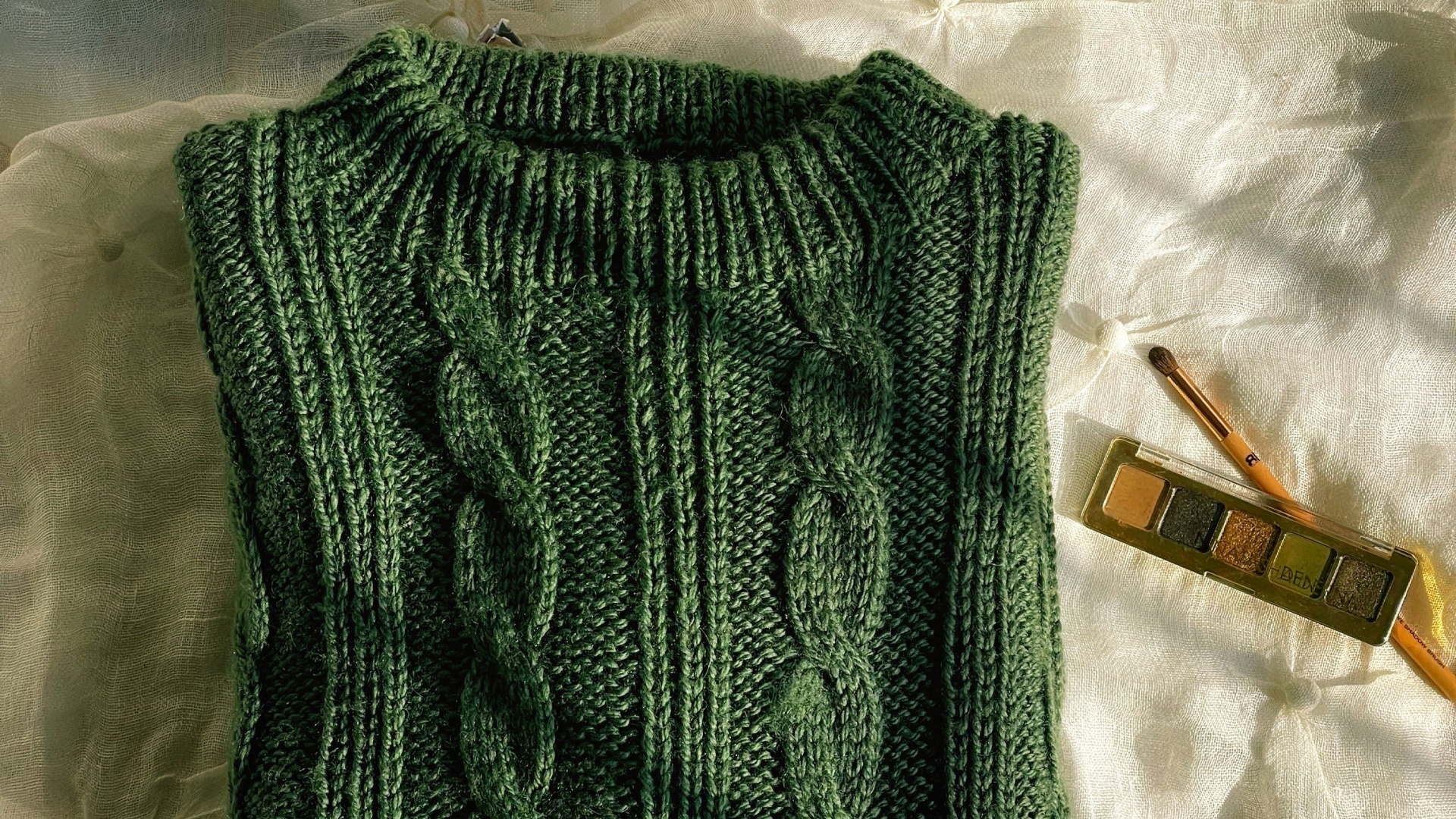
For example, if you're sourcing women's knit tops or children's sweaters, you’ll need to specify whether the fabric should be cotton, merino wool, or organic fibers, and whether the knitwear should have any specific finishing details like washed effects or stretchability. Providing a tech pack that outlines these requirements in detail not only improves communication but also minimizes the risk of receiving incorrect samples or products. If you’re unfamiliar with creating tech packs, consider partnering with a design professional or product developer who can help you create a comprehensive document that meets the factory's needs.
After you’ve sent over your tech pack, the next critical step is the sampling process. Samples are essential to evaluate the factory’s ability to produce products that meet your quality standards and design expectations. When working with a Chinese knitwear factory, it’s essential to request pre-production samples before committing to a full production run. This allows you to assess factors like fit, fabric quality, stitching, and overall design execution. During the sampling phase, don’t hesitate to provide feedback and request modifications if necessary. This might include adjusting the size specifications, changing the yarn type, or altering the gauge of the knit to achieve the desired feel and appearance.
It’s important to allow ample time for this step, as it can take several weeks to receive and review samples. Make sure you communicate your timeline clearly with the factory, as this can influence their production schedule. While receiving a perfect sample on the first attempt is rare, a good supplier will be responsive and willing to make changes until the sample aligns with your requirements. You should also consider whether you want to do a bulk production run of a small order first (a test order) to further evaluate the factory’s production capabilities before placing a larger order. This allows you to confirm the factory’s ability to scale production while maintaining quality.
Alongside the tech pack and sample process, it’s essential to consider the production lead time and the factory’s capacity to meet your order demands. Chinese knitwear factories often operate with significant production capacity, enabling them to produce large volumes of products each month. For example, a well-established factory may be able to produce 120,000 pieces per month, which is an attractive option for wholesalers looking to place bulk orders. However, understanding the factory’s lead time is essential for planning ahead, especially if you need to meet certain seasonal deadlines or market demands. Be sure to clarify these timelines early on and factor in shipping times as well, as international shipping can add weeks to the delivery process.
To ensure that the factory meets your expectations in terms of quality, it’s crucial to assess their quality control process. A reputable Chinese knitwear factory should have established quality control protocols in place, which include thorough testing of materials, in-line inspections during production, and final product inspections before shipping. Certifications such as OEKO-TEX (which guarantees that the yarn and fabrics used are free from harmful chemicals) and BSCI (which ensures that factories adhere to social and environmental standards) are important indicators of the factory’s commitment to quality. You should request that your supplier provide these certifications, as well as any reports from third-party testing facilities like SGS or INTERTEK, to ensure that their products meet the necessary safety and quality standards.
If you’re sourcing eco-friendly knitwear, you’ll want to ensure that your factory can accommodate sustainable options like organic cotton, recycled yarn, or low-impact dyes. As sustainability becomes a growing priority in the fashion industry, many buyers are seeking out factories that can provide sustainable knitwear solutions. At the same time, it’s important to keep up with changing consumer trends, such as the growing preference for organic fibers or vegan yarns, and to ensure that your supplier can offer the right materials to match your customers’ preferences.

One of the key advantages of working with a Chinese knitwear factory is the opportunity to tap into their expertise in knitting techniques. Chinese factories often have advanced machinery and experienced technicians who are skilled in using automated knitting machines to produce high-quality knitwear. These machines allow for precision and consistency in production, ensuring that your garments meet the required specifications, whether you’re producing fine gauge knit tops or chunky knit cardigans. Be sure to communicate your specific design needs clearly so that the factory can use the appropriate machines and techniques for your order.
Finally, it’s essential to ensure a smooth and efficient logistics process. Working with a reliable logistics partner will help ensure that your knitwear shipments arrive on time and in good condition. You should discuss shipping terms and decide whether to use FOB (Free on Board) or CIF (Cost, Insurance, and Freight) pricing, depending on your needs. Having a logistics partner who understands the intricacies of international shipping from China will help streamline the process and minimize delays.
In summary, working with a Chinese knitwear factory offers significant opportunities for e-commerce brands, boutiques, and wholesalers looking to expand their product offerings and create unique, high-quality knitwear collections. By focusing on clear communication, creating detailed tech packs, managing the sampling process effectively, and ensuring the factory’s adherence to quality control standards, you can successfully navigate the complexities of the sourcing process and establish a strong, reliable partnership with your supplier. With the right approach, you’ll be able to provide your customers with premium knitwear that meets both your brand’s requirements and the evolving demands of the global market.
We are a professional sweater manufacturer, specializing in women’s, men's, children's sweaters, and other knitted accessories such as hats, scarves, shawls, etc.
We offer comprehensive OEM and ODM services, covering the entire process from yarn sourcing,style design&development, sample making, mass production, to final shipping & delivery.
Copyright © 2026 东莞市星联昇服饰有限公司 Ltd. All Rights Reserved. POWERED BY WEIMOBTRADE


